
thermal management issues addressed in pcb fabrication
Thermal management is a critical consideration in PCB (Printed Circuit Board) fabrication, especially in electronic devices where heat dissipation can impact performance, reliability, and longevity. Addressing thermal management issues requires careful design considerations, material selection, and the incorporation of specialized features to effectively dissipate heat generated by electronic components.
One approach to thermal management in pcb fabrication involves optimizing the layout and placement of components to minimize heat concentration and improve airflow. By strategically positioning heat-generating components such as CPUs, GPUs, and power regulators, designers can ensure efficient heat dissipation and prevent localized hotspots on the PCB. Additionally, designing the PCB with adequate space between components and utilizing heat sinks or thermal vias can further enhance heat dissipation and promote airflow within the device enclosure.
Furthermore, the selection of substrate materials with high thermal conductivity is crucial for effective thermal management in PCB fabrication. Materials such as metal-core PCBs (MCPCBs), ceramic substrates, and high-temperature laminates offer superior heat dissipation properties compared to traditional FR-4 substrates. These materials conduct heat away from heat-generating components more efficiently, reducing the risk of thermal buildup and mitigating the impact of temperature-induced performance degradation.
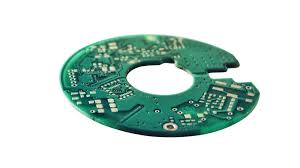
How are thermal management issues addressed in pcb fabrication?
In addition to substrate materials, the choice of copper thickness and trace width can also influence thermal management in PCB fabrication. Thicker copper traces and wider traces have lower resistance and higher thermal conductivity, allowing for more efficient heat transfer away from heat-generating components. Designers may opt to increase copper thickness in critical areas or use wider traces for power distribution to minimize resistive heating and prevent thermal issues.
Moreover, the incorporation of thermal vias and thermal pads into the PCB design can significantly improve heat dissipation and thermal conductivity. Thermal vias are small holes drilled into the PCB that connect multiple layers of copper, allowing heat to be conducted away from the component to the outer layers of the PCB where it can be dissipated more effectively. Similarly, thermal pads, which are made of thermally conductive materials such as copper or aluminum, provide a direct thermal pathway between heat-generating components and the PCB substrate, facilitating efficient heat transfer.
In addition to passive thermal management techniques, active thermal management solutions such as fans, heat pipes, and liquid cooling systems can be integrated into the PCB design to further enhance heat dissipation. Fans and heat sinks are commonly used to increase airflow and improve convective heat transfer, while heat pipes and liquid cooling systems utilize phase-change principles to efficiently transport heat away from heat-generating components.
Furthermore, advanced thermal simulation software and testing methodologies are employed during the PCB design phase to evaluate thermal performance and identify potential hotspots. By conducting thermal analysis simulations and thermal profiling tests, designers can optimize the PCB layout, material selection, and thermal management strategies to ensure reliable operation under varying operating conditions.
In conclusion, thermal management in PCB fabrication is a multifaceted process that requires careful consideration of design, material selection, and implementation of specialized features. By optimizing component placement, selecting appropriate substrate materials, and incorporating thermal vias, pads, and active cooling solutions, designers can effectively dissipate heat and prevent thermal issues in electronic devices. With
advancements in thermal management techniques and simulation tools, PCB manufacturers can ensure the production of high-quality PCBs that meet the demands of modern electronics applications, even in challenging thermal environments. By addressing thermal management issues early in the design process and implementing effective solutions, manufacturers can enhance the performance, reliability, and longevity of electronic devices while minimizing the risk of thermal-induced failures.