
Drifting is one of the most demanding forms of motorsport, requiring a precise balance between power, grip, steering control, and suspension performance. While many modifications can influence a vehicle’s ability to drift, suspension remains one of the most critical factors. This leads many enthusiasts to ask: do drift coilovers actually improve drifting? In most cases, the answer is yes. When designed specifically for drifting, these suspension systems can significantly enhance vehicle control, consistency, and driver confidence. Unlike standard suspension upgrades, drift coilovers are engineered to address the unique challenges that occur when a car is intentionally driven beyond the limits of normal traction. Maintaining stability while the vehicle is sideways requires suspension characteristics that differ from those needed for road racing or everyday street driving.
How Drift Coilovers Enhance Performance
The primary purpose of drift-focused suspension is to improve the driver’s ability to control the car during aggressive maneuvers. During a drift, the vehicle constantly transitions between varying levels of grip and slip. A suspension system designed for these conditions helps keep the chassis stable while allowing the driver to make precise steering corrections. One of the biggest advantages is improved front-end grip. In drifting, the front tires play a crucial role in directing the vehicle while the rear tires slide. Specialized coilover designs can help maintain consistent tire contact with the surface, resulting in more predictable steering response and smoother transitions between corners.
Increased Steering Stability
Modern drift cars often use significantly larger steering angles than standard vehicles. As steering angle increases, maintaining stability becomes more challenging. Suspension geometry and damping characteristics must work together to keep the front tires planted and responsive. This is where purpose-built drift coilovers provide a clear advantage. Rather than adapting suspension originally intended for track racing, dedicated drift systems are developed with high-angle steering performance in mind. This specialized engineering helps drivers maintain control even during aggressive entries and prolonged drifts.
Better Weight Transfer and Vehicle Balance
Weight transfer is a fundamental aspect of drifting. Drivers rely on carefully controlled shifts in vehicle balance to initiate, maintain, and transition through drifts. Suspension components influence how effectively these weight transfers occur. A well-designed drift suspension setup can improve chassis predictability by controlling body movement during acceleration, braking, and directional changes. This allows drivers to feel more connected to the vehicle and react more confidently to changing conditions on the track.
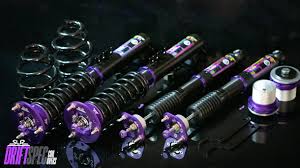
Why Drift-Specific Design Matters
Not all performance suspension systems are equally effective for drifting. Some products are developed primarily for road racing, where maximizing grip and minimizing body movement are the primary objectives. Drifting requires a different approach. Leading suspension developers create systems specifically around the needs of drift drivers. These products are often tested extensively in competitive environments to ensure they can deliver front-end traction, stable steering behavior, and consistent performance during high-slip-angle driving. Professional competitors and grassroots enthusiasts alike benefit from suspension technology that is tailored to the demands of drifting rather than adapted from other motorsports disciplines.
Consistency During Long Drift Sessions
One overlooked benefit of drift coilovers is consistency. During extended track sessions, suspension components experience significant heat and stress. High-quality systems are designed to maintain predictable damping characteristics even under demanding conditions. Consistent suspension behavior helps drivers build confidence because the vehicle responds similarly from one run to the next. This reliability is especially important for competitive drifting, where precision and repeatability often determine success.
Choosing the Right Drift Suspension
Selecting the right suspension setup depends on vehicle configuration, driving style, and performance goals. Factors such as spring rates, damping adjustments, ride height, and suspension geometry all influence how a car behaves during a drift. Drivers researching dedicated drift suspension solutions can find additional information at slrspeed.com, where products are developed specifically for drifting applications. These systems focus on improving steering control, grip characteristics, and overall vehicle stability in real-world drift environments. Understanding concepts such as vehicle dynamics can help enthusiasts better appreciate how suspension design influences drifting performance. The relationship between tire grip, chassis movement, and steering response is central to successful drift control.
Conclusion
So, do drift coilovers improve drifting? For most drivers, the answer is unquestionably yes. By enhancing front-end grip, supporting high steering angles, improving weight transfer, and increasing overall vehicle stability, drift coilovers can make a noticeable difference in both performance and confidence. When paired with proper setup and driver skill, they become one of the most valuable upgrades for anyone serious about drifting.


