
Styles of Piano Transcriptions
Piano transcription is a way of transcribing music that was written for another instrument or group of instruments into a form that can be played on a piano. This could be as simple as writing down the notes on a piece of paper or converting a recorded performance to a digital file. Essentially, piano transcription is translating the ideas and intentions of an original composer into a format that can be played by a pianist.
There are different styles of piano transcriptions, just like there are different types of piano playing. Classical piano, for example, is a style that evolved during the Romantic period and encompasses the works of composers like Mozart, Beethoven, and Chopin. Classical piano is characterized by scale degree recognition and harmonic analysis. It also includes articulations that are often difficult to perform, such as staccato and legato.
https://tartalover.net/nicole-pesce
Other piano styles include jazz and folk. Jazz is a genre that evolved in the 19th century and encompasses many popular songs, such as “Autumn Leaves.” Jazz piano requires fast finger work to execute rapid runs and chords. In addition to its physical demands, jazz piano also requires a musical imagination and an ability to interpret complex rhythms.
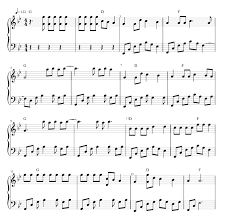
Different Styles of Piano Transcriptions
Folk music is a type of music that has its roots in traditional and cultural expressions of communities and regions of the world. Musicologists have transcribed and documented traditional and folk songs for many purposes, including preservation of cultural heritage, teaching the history of a culture, and providing entertainment in public spaces. Using a technique known as ethnomusicological notation, musicians like Bela Bartok and Ralph Vaughan Williams transcribed and published folk music from various cultures in their countries of origin. Other examples of this type of music transcription include bird song recordings by Olivier Messiaen, which were used to create his Catalogue d’oiseaux for piano.
The ability of the piano to play any note in the chromatic scale makes it an ideal instrument for piano transcription. This is because piano music can be adapted to any key, unlike music for some other instruments. As a result, many orchestral compositions that were originally composed for other instruments have been arranged for piano or other solo instrumentalists.
https://m.youtube.com/@tartalover2682/videos
Franz Liszt was an expert at piano transcription and wrote many of his own versions of Beethoven symphonies. He also transcribed many other composers’ works for piano.
One of the most important aspects of piano transcription is determining which notes are part of the underlying harmony and which are melodic embellishments. One of the most common approaches to this problem is to organize notes into “stacks of thirds,” which are logical groupings that help illuminate their function.
Another key aspect of piano transcription is deciphering meter and phrase divisions in the score. For example, it’s important to know if a piece is in a complex meter such as 5/8, and how long each beat should be held. This information is essential to making the resulting score easy to read and understand for both pianist and conductor.


