
flex PCB supplier
Flex PCBs provide greater flexibility than rigid PCBs by using a substrate that can bend, which increases the amount of circuitry that can fit on the board. They are manufactured using a polyimide (Kapton) material and one to multiple layers of copper. They also include an electrical test at 100% net list to ensure proper function and isolation. In addition, the circuit boards are laminated with protective films for the highest durability and reliability.
The first thing to look for in a flex pcb supplier is whether they can assist you with prototypes. This question might seem straightforward, but it helps to determine how experienced a fabrication shop is. A fabricator with several years of experience is more likely to have the necessary tools and expertise to fulfill your prototyping needs than a shop that is just starting out.
It is also important to ask about the turnaround time of the flex pcb manufacturer. Prototypes are required to be completed quickly to meet the tight deadlines that are associated with product development and launch, and a pcb manufacturer that has a track record of delivering projects on time should be preferred.
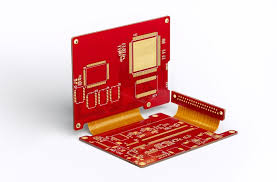
Can a flex PCB supplier assist with prototypes?
Another important consideration is the flex pcb supplier’s ability to handle revisions and change requests. The best manufacturers will work with you to address any changes in your design or specifications as quickly as possible, and will incorporate these changes into the final prototypes. This will ensure that your project stays on schedule and that the flex pcb prototypes you receive match your original specifications.
The next question to consider is what types of flex pcbs the manufacturer can offer. The fabricator should be able to provide the specific type of flex circuit you need, such as multilayer flex, HDI flex, or high-speed flex. Additionally, the fabricator should be able to provide you with different options for materials and thicknesses. For example, they should be able to provide you with polyimide and LCP as well as different FR4 materials and finishes.
Finally, the fabricator should be able to offer you different options for the coating of your flex circuits. This includes solder mask, silkscreen, and even plating the edge terminals of the flex circuits with gold, depending on your application and the durability requirements.
When choosing a flex PCB supplier, it is crucial to select a manufacturer with superior facilities and professional technicality. This will help ensure that the flex circuit boards are made to the exact specifications that you need and will stand out in the market. The manufacturer should also ensure strict compliance with industry standards and robust testing procedures. This will ensure that the flex circuit boards will be as durable and reliable as possible in your end products.


