
Managed Cybersecurity Services Handle Patch Management
Patches address a wide range of problems in hardware and software. They don’t just close vulnerabilities; they can also improve system performance and stability. A business’s IT environment changes over time, so a formal patch management process helps keep track of new patches and their impact on various assets. This helps teams plan for how to update and test the software and devices that comprise a network, including third-party apps and remote computers.
The most common threats exploit vulnerabilities in outdated hardware and software. In order to minimize these risks, it’s important for companies to update their systems regularly. This can prevent hackers from stealing information, disrupting systems and services, and causing financial losses. However, it’s impractical to download and apply every new patch as soon as it’s available. This can result in downtime, which can hurt productivity and customer loyalty. It’s much better to follow a well-defined patching process that identifies the most critical vulnerabilities for each client.
MSPs can help clients manage the security risks associated with updating their software and hardware. They can help prioritize updates based on each client’s needs and risk profile, as well as develop strategies to reduce the cost of updating systems. This is particularly important for organizations with complex IT infrastructures that require frequent and often granular updates.
To optimize patching processes, managed cybersecurity services should utilize specialized tools that automate patch discovery, testing, and deployment. This streamlines operations, improves efficiency and minimizes human error. Moreover, it can improve visibility by identifying assets and vulnerabilities in real-time and by providing alerts when new patches are available.
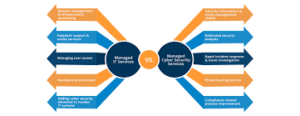
How Do Managed Cybersecurity Services Handle Patch Management?
A successful patching strategy requires clear communication between IT and security teams and a shared language that aligns with the goals of each team. This includes using the same terminology for reporting risks and ensuring that all teams are up to speed on what’s being reduced.
It’s also important to have a plan in place for addressing unforeseen issues caused by the application of a particular patch. This can include setting up a dedicated email for patch alerts and subscribing to the latest updates from all vendors. In addition, it’s a good idea to evaluate and document any issues caused by a patch so that they can be corrected.
Effective patching can significantly reduce the cost of a cyber attack, as well as reduce downtime and loss of productivity. It can also limit the damage that breaches cause by minimizing the cost of incident response, legal fees and lost productivity costs.
By combining patch management with managed detection and response (MDR), it’s possible to create a formidable barrier against attacks that target known vulnerabilities. This combined solution enables businesses to comply with regulatory requirements, as well as improves their risk management by systematically reducing the number of vulnerabilities that threat actors can exploit.
managed cybersecurity services offer a cost-effective solution by providing access to enterprise-grade security tools and expertise at a fraction of the cost of building an in-house team. With predictable monthly fees, businesses can budget for cybersecurity services without the burden of unexpected expenses.

