
epoxy flooring
Epoxy flooring is a highly versatile and durable surface solution used across a wide range of industries, offering benefits that go far beyond simple aesthetics. Known for its strength, chemical resistance, and seamless finish, epoxy flooring is commonly applied in settings that demand hygiene, durability, and low maintenance. From commercial kitchens to industrial warehouses and medical facilities to retail showrooms, this type of flooring delivers long-term performance in even the most challenging environments. Epoxy restaurant flooring has many advantages over other restaurant flooring, but its usefulness isn’t limited to food service alone—its applications extend into virtually every sector that values safety, cleanliness, and longevity.
One of the most common uses for Epoxy flooring is in industrial and manufacturing facilities. These environments often have heavy machinery, constant foot and vehicle traffic, and exposure to chemicals or oils. Epoxy flooring provides a strong, chemical-resistant surface that can endure impact, abrasion, and spills without degrading. It helps create a safe and efficient workspace, and its smooth finish makes it easy to clean, reducing downtime during maintenance.
In healthcare settings, such as hospitals and laboratories, epoxy flooring is valued for its seamless, non-porous surface, which prevents bacteria and contaminants from penetrating. Its ability to support strict sanitation requirements makes it ideal for operating rooms, clean rooms, and pharmaceutical areas where hygiene is a top priority. The flooring is easy to sterilize and doesn’t harbor germs, which is critical in settings where cleanliness directly affects health outcomes.
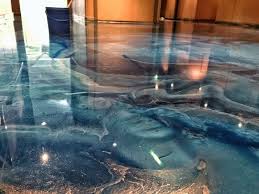
What is epoxy flooring used for?
Retail spaces and commercial buildings also use epoxy flooring for its durability and attractive appearance. Storefronts, showrooms, and shopping malls require flooring that can handle high foot traffic while maintaining a clean, polished look. Epoxy offers customizable colors, patterns, and finishes, allowing businesses to align the flooring with their branding while benefiting from a low-maintenance and cost-effective surface. Its shine and durability make it a popular choice for modern commercial interiors.
In the food service industry, epoxy restaurant flooring has become a standard because it meets both safety and health regulations. Kitchens, food prep areas, and even dining spaces require a surface that is slip-resistant, easy to clean, and capable of withstanding heat, moisture, and cleaning agents. Epoxy flooring checks all these boxes while offering a professional appearance that enhances the overall environment. Unlike tiles or vinyl, epoxy creates a seamless surface that doesn’t trap food particles, grease, or bacteria, reducing health risks and making compliance with sanitation standards much easier.
Residential garages, basements, and workshops also benefit from epoxy flooring. Homeowners choose it for its ability to protect concrete surfaces, resist stains from oil or chemicals, and enhance the overall look of a space. It transforms plain concrete into a polished, resilient surface that lasts for years with minimal upkeep.
Overall, epoxy flooring is used wherever durability, cleanliness, and performance are essential. Its wide range of applications and long list of benefits, especially in demanding environments like restaurants, make it a top choice for both commercial and residential use. With its proven performance, it’s no surprise that epoxy restaurant flooring has many advantages over other restaurant flooring and remains a preferred solution across multiple industries.