
Natural Language Processing (NLP) in Chatbots
Natural Language Processing (NLP) in chatbots refers to the technology that enables chatbots to understand, interpret, and generate human language in a meaningful way. NLP is a subset of artificial intelligence that combines computational linguistics, machine learning, and deep learning to allow machines to process and respond to text or voice inputs naturally. Without NLP, chatbots would struggle to engage in human-like conversations, as they would only be capable of following rigid, rule-based interactions. With NLP, chatbots can handle a wide range of user inputs, making interactions more dynamic, intuitive, and efficient.
One of the main functions of NLP in chatbots is intent recognition. When users interact with a Al-powered chatbot and voice assistant testing, they may phrase their requests in different ways. NLP helps the chatbot determine the intent behind a message, regardless of variations in wording, grammar, or sentence structure. For example, a user asking, “Can you tell me today’s weather?” or “What’s the forecast today?” expects the same type of response. NLP enables the chatbot to recognize that both queries have the same intent and respond accordingly. This capability is crucial for ensuring that users receive relevant and accurate information.
Another essential aspect of NLP in chatbots is entity recognition. Entities are specific pieces of information that the chatbot needs to extract from a user’s message to provide a meaningful response. These could include names, dates, locations, numbers, or product details. For instance, if a user asks, “Book a flight to New York for next Friday,” the chatbot must identify “New York” as the destination and “next Friday” as the date. NLP techniques allow the chatbot to extract and process these key details, enabling more personalized and precise interactions.
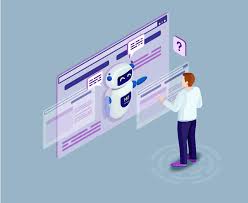
What is Natural Language Processing (NLP) in Chatbots?
Context understanding is another significant feature of NLP-powered chatbots. In human conversations, context plays a crucial role in maintaining meaningful discussions. Chatbots need to remember past interactions and interpret messages based on prior exchanges. Without this ability, conversations would feel disjointed, and users would need to repeat information. NLP helps chatbots retain context, making interactions smoother and more natural. For example, if a user first asks, “What time does my flight depart?” and later follows up with “And when does it arrive?” the chatbot should recognize that “it” refers to the same flight previously mentioned.
NLP also enhances the chatbot’s ability to generate human-like responses. Instead of responding with robotic, pre-defined messages, an NLP-powered chatbot can create responses that feel more conversational and engaging. Advanced NLP models, such as those based on deep learning, enable chatbots to adapt their tone, provide recommendations, and even express empathy. This is particularly important for customer support chatbots, where a more human-like interaction improves user satisfaction and trust.
In conclusion, Natural Language Processing is the core technology that enables chatbots to understand, interpret, and respond to human language effectively. It allows chatbots to recognize user intent, extract key information, maintain context, and generate natural responses. Without NLP, chatbots would be limited to basic, rule-based interactions, making them far less effective in handling complex user queries. As AI and NLP technologies continue to evolve, chatbots will become even more sophisticated, offering more intuitive and personalized conversational experiences.

