
Lifespan of PCB Fabrication Assembly
The lifespan of pcb fabrication assembly can be affected by a number of factors. These include the type of PCB, its components and the working conditions it is exposed to. The PCB can also be influenced by the environment in which it is stored or transported, as well as the cleaning and maintenance procedures carried out on it. All of these factors will have an impact on the overall life expectancy of a PCB and its ability to function as intended.
As a result, it is important for those who are responsible for assembling PCBs to understand these issues and how they can influence the longevity of the product. By taking the necessary steps to prevent damage and extending the lifespan of a PCB, they can ensure that it is able to perform as needed for their customers.
Before a pcb fabrication assembly can be assembled, it needs to undergo a process called pre-baking. This is designed to help prevent the formation of moisture within the board, which can cause it to work at slower circuit speeds or even fail completely. It is a simple process, and it can be performed by most manufacturers.
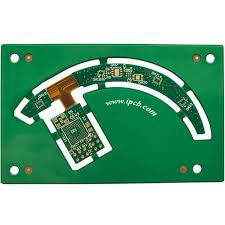
What is the Lifespan of PCB Fabrication Assembly?
It is also important to note that there are a number of manufacturing issues that can affect the longevity of a PCB, including improper soldering and misaligned layers. These problems can have a major impact on the functionality of the finished product, and they can often be easily corrected. One of the most common issues is left over flux, which can leave marks or residue on the board and negatively impact the quality of its components.
In addition, the length of time a PCB is stored before it is assembled can also influence its shelf life. This is because long-term storage can lead to oxidation, which can have a negative impact on the performance of the PCB and its components.
The first step in PCB fabrication is designing the circuit using specialized software like Eagle, Altium Designer, or KiCAD. Engineers create a schematic diagram and layout, specifying the placement of components, traces, vias, and layers. Once the design is finalized, it is converted into Gerber files, the standard format for manufacturing PCBs. These files guide the fabrication process by providing detailed information about the board’s structure, including copper layers, solder mask, and silkscreen.
Next, the physical fabrication of the PCB begins. It typically starts with a substrate material, such as fiberglass-reinforced epoxy laminate (FR-4), which serves as the board’s base. A thin layer of conductive copper is applied to one or both sides of the substrate.
In order to extend the shelf life of a PCB, it is recommended that all users follow the manufacturer’s assembly guidelines and keep the product in a clean and dry location. Moisture control is also important, as excessive humidity can cause corrosion and delamination. Using silica gel packs in the storage area can help to reduce humidity, which will improve the PCB’s shelf life. For those who need a more durable coating, conformal coating is available, which can offer increased protection against salt cells spray, moisture, dust and metal chips.