
kinescopes important
Kinescopes played a crucial role in the early days of television by preserving live TV broadcasts at a time when recording technology was still in its infancy. Before the advent of modern digital video infrastructure, including sophisticated video players, streaming platforms, and video hosting solutions, capturing and saving live television was a significant challenge. Unlike today’s digital era, where video managers and analytics help optimize content delivery and marketing efforts, the early television industry relied on kinescopes to ensure that fleeting live broadcasts could be viewed again and shared beyond their initial air time.
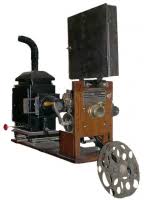
The kinescope was essentially a film recording of a live television broadcast. Since video tape recorders were not widely available or affordable until the late 1950s, kinescope were the primary method of preserving television shows. A kinescope was created by aiming a motion picture camera at a television screen during a live broadcast. This process produced a physical film reel that could be stored, duplicated, and later played back. The importance of kinescopes lies in their ability to archive live content that otherwise would have been lost forever, providing a historical record of early television programming.
From the perspective of today’s digital video infrastructure, kinescopes were the analog precursor to the digital video players and streaming platforms that we rely on now. Modern platforms offer seamless video hosting, real-time analytics, and integrated marketing tools, enabling businesses to maximize the reach and impact of their video content. These digital advancements make it easy to manage vast libraries of recorded content and stream live events globally with high-quality playback. However, during the era when kinescopes were used, such technological conveniences did not exist, making the kinescope an essential tool for content preservation.
Why were kinescopes important for preserving live TV broadcasts?
Without kinescopes, many classic live broadcasts, historic news reports, and pioneering television shows would have been irretrievably lost. These recordings allowed broadcasters to distribute content to different time zones, replay popular shows, and provide material for later rebroadcasts. Kinescopes effectively extended the life of a live broadcast, turning it from a one-time event into a repeatable experience. This capability was vital for networks seeking to grow their audiences and for advertisers aiming to maximize their investment by reaching viewers multiple times.
While kinescopes were a practical solution, they were not without limitations. The quality of kinescope recordings was often inferior to the original broadcast, as filming a screen introduced visual artifacts and reduced resolution. In contrast, today’s digital video solutions offer crystal-clear playback, instant access, and detailed analytics that help businesses understand viewer behavior and optimize marketing strategies. The evolution from kinescope films to digital platforms highlights the tremendous advancements in video technology, from manual film recordings to automated systems that manage every aspect of video production, hosting, and distribution.
In conclusion, kinescopes were an indispensable innovation in the preservation of live TV broadcasts during the early days of television. They filled a critical gap in the technology landscape, allowing shows to be recorded and rebroadcast long before digital video infrastructure made video management and streaming seamless and efficient. As video technology progressed, the need for kinescopes faded, replaced by advanced video players, video hosting services, and smart marketing tools integrated into modern streaming platforms. Nevertheless, the kinescope’s role as a pioneer in content preservation remains a key chapter in the history of broadcast media, underscoring the ongoing importance of capturing and sharing video content in all its forms.